bandiera
  • Migliorare la precisione e le prestazioni: le notevoli parti in alluminio di Safekeso
    Migliorare la precisione e le prestazioni: le notevoli parti in alluminio di Safekeso Jan 06, 2025
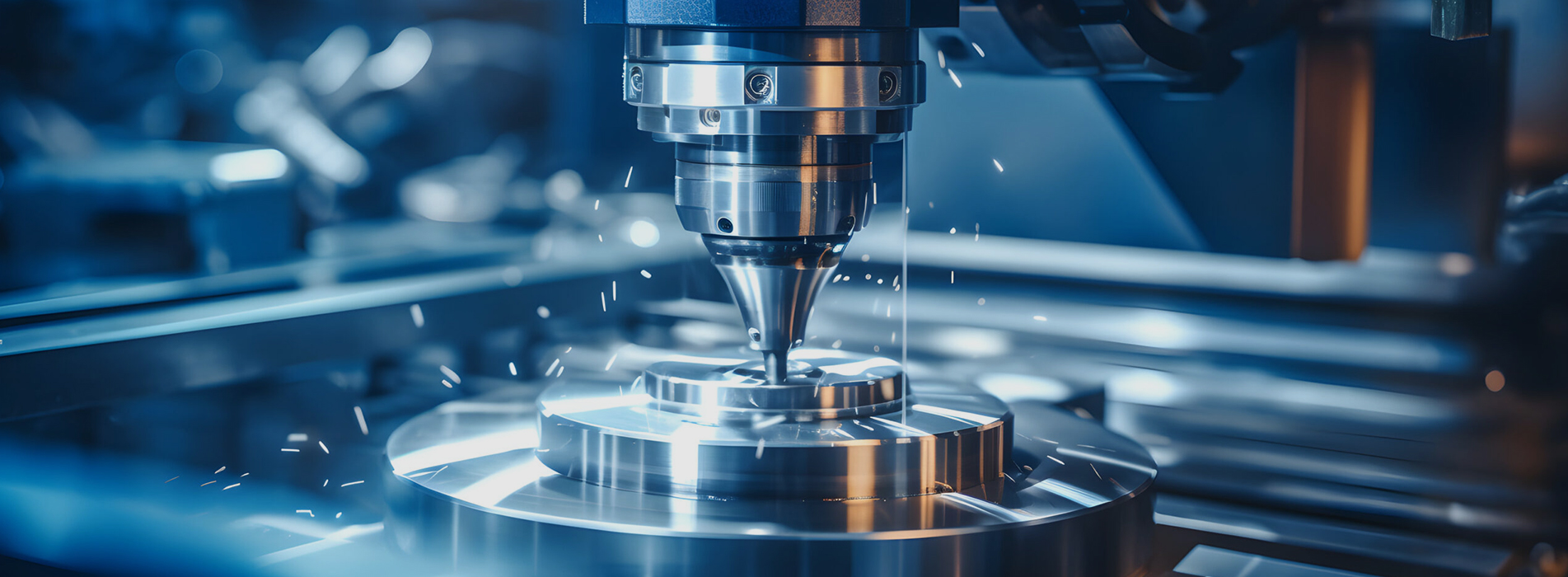
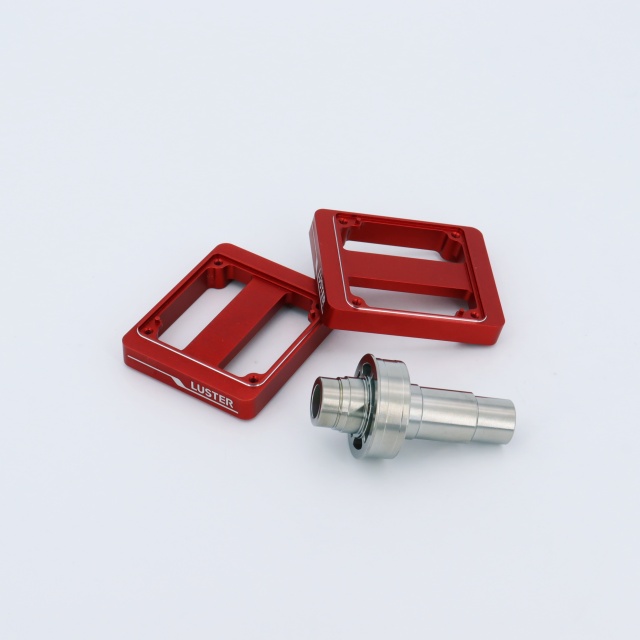
    Titolo: Titolo: Miglioramento di precisione e prestazioni: notevoli parti in alluminio di Safekeso Introduzione: Benvenuti in Safekeso, un leader Produttore OEM specializzato in lavorazione di precisione E fabbricazione personalizzata di parti in alluminio. Con il nostro incrollabile impegno per la qualità e il servizio eccezionale, SafeKeso è diventata la scelta di riferimento per le aziende che cercano componenti in alluminio affidabili. In questo blog, esploreremo il notevole mondo delle parti in alluminio e le loro diverse applicazioni. 1. Precisione senza pari: In Safekeso, siamo orgogliosi delle nostre capacità di lavorazione all'avanguardia che ci consentono di produrre Parti in alluminio CNC con precisione senza pari. I nostri tecnici altamente qualificati utilizzano macchine CNC avanzate e software all'avanguardia per garantire la massima precisione e tolleranze strette. Con la nostra precisa artigianato, incontriamo e superamo le specifiche più impegnative, garantendo prestazioni ottimali per le tue applicazioni.   2. Leggero e durevole: Uno dei vantaggi chiave delle parti in alluminio è la loro eccezionale combinazione di design leggero e durata. L'alluminio ha una densità notevolmente bassa, rendendolo significativamente più leggero rispetto ad altri metalli senza compromettere la forza. Questa proprietà unica rende le parti di alluminio molto ricercate in vari settori, come aerospaziale, automobile, E elettronica, dove la riduzione del peso e le prestazioni sono fondamentali.   3. Versatilità attraverso la personalizzazione: In Safekeso, comprendiamo che ogni progetto ha requisiti unici. Ecco perché offriamo opzioni di personalizzazione complete per le nostre parti in alluminio. Dalle geometrie complesse alle caratteristiche intricate, possiamo fornire soluzioni su misura che si adattano perfettamente alle tue specifiche. Se hai bisogno Componenti in alluminio Cachined CNC Per prototipi, corse di produzione o parti di sostituzione, il nostro team è dedicato a dare vita alle tue idee.   4. Ampia gamma di applicazioni: Le nostre parti in alluminio trovano applicazioni in diversi settori, consentendo progressi nella tecnologia e nell'innovazione. Esploriamo alcune delle aree notevoli in cui i componenti in alluminio eccellono: - Aerospace: le proprietà resistenti alla corrosione e alla corrosione dell'alluminio lo rendono ideale per i componenti degli aeromobili, come fusoliere, ali e parti del motore, che contribuiscono all'efficienza del carburante e alle prestazioni migliorate.   - Automotive: dai blocchi del motore e dagli involucri di trasmissione alle sospensioni e alle strutture del corpo, l'alluminio svolge un ruolo vitale nella riduzione del peso del veicolo e nel miglioramento del consumo di carburante, mantenendo l'integrità strutturale.   - Elettronica: le capacità di dissipazione del calore dell'alluminio lo rendono una scelta eccellente per dissipatori di calore, recinti elettronici e connettori, garantendo un raffreddamento efficiente e una salvaguardia di delicati componenti elettronici.   - Energia rinnovabile: la forza dell'alluminio, la resistenza alla corrosione e la riciclabilità lo rendono un materiale preferito per turbine eoliche, pannelli solari e altri sistemi di energia rinnovabile, facilitando un futuro sostenibile.   Conclusione: Safekeso è un partner di fiducia per le aziende in cerca di Prodotto di precisione parti in alluminio. Con la nostra competenza nelle lavorazioni CNC, nelle capacità di personalizzazione e nell'impegno per l'eccellenza, garantiamo risultati notevoli per i tuoi progetti. Che tu sia nell'industria aerospaziale, automobilistica, elettronica o di energia rinnovabile, i nostri componenti in alluminio di alta qualità forniranno le basi per prestazioni e affidabilità migliorate. Contatta SafeKeso oggi per sbloccare il vero potenziale delle parti in alluminio nelle applicazioni.   Ricorda, a Safekeso, offriamo eccellenza in ogni dettaglio preciso.
  • MACCHINING CUSTICHE: ecco come prepararsi per il preventivo del progetto MACCHINING SULLA Jan 10, 2025
    Di recente hai escogitato una progettazione di parti personalizzate o devi produrre una parte con requisiti speciali? In tal caso, i prossimi passi sono assumere un produttore, inviare il file Design (CAD) assistito da computer 3D, ricevere un preventivo equo del prodotto e produrre il tuo prodotto, giusto? Non esattamente. La verità è che molto può andare storto se il tuo prodotto non è progettato correttamente per la produzione dall'inizio. Ad esempio, potresti sostenere enormi costi di produzione o difetti che rendono il tuo prodotto inutile. Pertanto, ci sono diverse cose e suggerimenti di progettazione che devi prima capire prima di creare il tuo CAD 3D e contattare quel produttore. Questo articolo copre tutti questi e altro ancora. Sarà come guida per aiutarti a prepararti per il preventivo del progetto. Alcune linee guida di progettazione per la lavorazione CNC personalizzata Ecco alcune utili linee guida per il design per aiutarti a ottenere parti di alta qualità e ridurre i costi di produzione. Cavità #1 Dovresti progettare cavità e tasche per avere una profondità che è meno di quattro volte la larghezza della cavità. Questo perché gli strumenti del mulino finale hanno una lunghezza di taglio limitata, quindi è possibile sperimentare deflessione e vibrazione dello strumento quando si crea cavità con un rapporto profondità-larghezza inferiore. Tuttavia, se la progettazione del prodotto richiede un rapporto profondità / larghezza maggiore, avrai bisogno di utensili da taglio speciali, che potrebbero sostenere costi di produzione aggiuntivi. #2 Spessore muro Le pareti sottili sono soggette a vibrazioni durante la lavorazione a CNC, che riduce la tolleranza e l'accuratezza delle parti lavorate. Pertanto, di regola, è necessario progettare parti metalliche per avere uno spessore minimo della parete di 0,8 mm, mentre le parti di plastica dovrebbero avere uno spessore minimo della parete di 1,5 mm. È possibile ottenere pareti più sottili, ma di solito comporta ulteriori costi di produzione. #3 buchi Dovresti progettare fori per avere diametri standard. Ciò consente di utilizzare le dimensioni dei bit di trapano standard per creare questi fori ed eliminare la necessità di strumenti per il mulino finale speciali. Raccomandiamo inoltre che la profondità del foro sia inferiore a quattro volte il diametro nominale del mulino per ridurre al minimo la deflessione dello strumento. #4 tolleranze La tolleranza è la quantità consentita di variazione della dimensione di una parte lavorata che consentirà comunque di funzionare correttamente. I progettisti di prodotti di solito specificano le tolleranze ai produttori affermando i limiti consentiti di variazione in una dimensione fisica. È possibile specificare tolleranze utilizzando il simbolo "±" (pronunciato "più o meno") e accompagnato da un valore, ad esempio ± 0,05 mm. Ad esempio, supponiamo che tu abbia intenzione di fabbricare una parte con due fori (con un diametro di 21 ± 0,25 mm), come mostrato nella Figura 4. In tale scenario, significa semplicemente consentire una deviazione di 0,25 mm in più (o meno) rispetto al valore del diametro standard. Quindi, se il produttore fabbrica un foro con un diametro di 21,25 mm o 20,75 mm, non influirà sulla funzione corretta della tua parte. Le macchine a CNC sono tra le tecnologie di produzione più accurate, in grado di raggiungere tolleranze strette fino a ± 0,04 mm. Tuttavia, tieni presente che i requisiti di tolleranza più stretti in genere comportano costi di produzione più elevati. Scegli la finitura superficiale ideale Sebbene il processo di lavorazione del CNC sia sottrattivo, fa un ottimo lavoro nella produzione di parti con eccellenti finiture superficiali. La finitura di superficie "machinata" si riferisce a parti lavorate che provengono direttamente dalle macchine a CNC. Queste parti mantengono l'accuratezza del processo di produzione e non richiedono costi aggiuntivi. Se le tue parti richiedono ulteriori opzioni di post-elaborazione come anodizzazione o rivestimento in polvere, puoi aspettarti un preventivo di progetto più elevato dal tuo produttore. MACCHINAZIONE CNC personalizzata: SafeKeso può aiutare Ora che sai un po 'di più sui consigli su misura personalizzati e progettazione del prodotto, probabilmente accetteresti che il successo del tuo progetto e il successo dello sviluppo del prodotto dipendono dalla progettazione del tuo prodotto. Ecco perché devi lavorare con un produttore che guarda il design del tuo prodotto e ti consiglia ciò che è meglio per te. SafeKeso Precision Machining è un fornitore leader di servizi di lavorazione CNC personalizzati in tutta l'Asia. Abbiamo un team di ingegneri altamente qualificati, tecnici ed esperti di controllo di qualità in grado di realizzare il tuo prodotto. Teniamo a mente i migliori interessi dei nostri clienti, quindi usa il nostro Strumento di citazione Per caricare i file CAD 3D, richiedere un preventivo e discutere il tuo progetto di produzione con i nostri ingegneri altamente qualificati.
  • What Is a CNC Lathe? Everything You Need to Know About CNC Lathing Dec 03, 2025
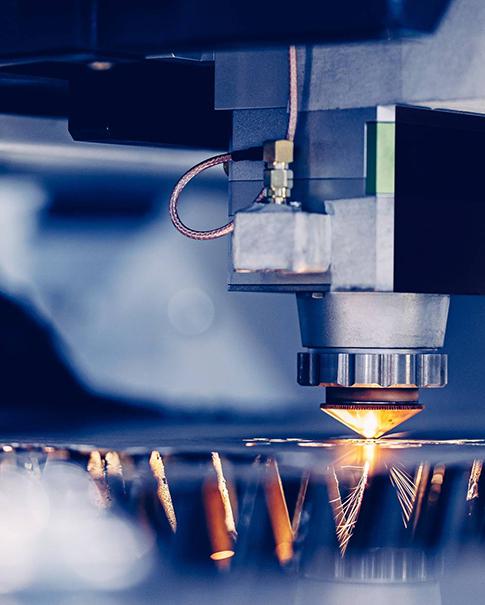
      CNC lathes remain one of the most important machine types in modern manufacturing, powering industries from automotive to aerospace with accuracy, speed, and repeatability. If you're researching CNC lathing for your next project—or comparing CNC lathe machines, CNC machine lathes, or even trying to understand what is CNC lathe—this guide gives you everything you need to make informed decisions.   And if you're looking for fast, reliable machining services, we provides high-precision CNC turning and milling with instant quoting and a wide selection of materials to support both prototyping and production     Understanding CNC Lathes Definition and Key Components of a CNC Lathe   A CNC lathe is a computer-controlled machine tool designed to rotate a workpiece while cutting tools remove material to create cylindrical or conical geometries. Unlike manual lathes, CNC lathe machines operate through programmed commands, ensuring consistent dimensions even across large production batches.   A typical CNC lathe machine includes: Headstock: houses the spindle that rotates the part Chuck: grips the material Tool turret: holds multiple CNC tools Bed & carriage: provide machine rigidity Control system: executes CNC turning programs Tailstock (optional): supports long workpieces These elements work together to deliver smooth, accurate cutting, making CNC lathing suitable for both simple shafts and highly complex components.   Differences Between CNC Lathes and Conventional Lathes   Conventional lathes require manual adjustments, which slows down production and introduces human error. A CNC machine lathe, by contrast, runs automated toolpaths defined in G-code. The benefits include: Faster cycle times Higher precision and repeatability Better safety Ability to handle complex geometries Automated multi-tool operations For manufacturers needing accuracy within microns or consistent production day after day, CNC lathes outperform manual machines in every category.   Core Advantages of CNC Lathing CNC lathing offers several strong advantages: Superior roundness and concentricity for rotational parts Excellent surface finish due to continuous cutting Strong material compatibility, including aluminum, steel, stainless steel, copper, brass, plastics, and more Great scalability, from prototypes to mass production Tight tolerances, often ±0.005 mm on high-end systems These strengths explain why CNC lathe machines remain foundational in nearly all manufacturing sectors.     How CNC Lathe Machines Work     Overview of the Lathing Process The CNC lathing process begins by mounting raw material—typically a bar or billet—into the chuck. As the spindle rotates the workpiece, CNC cutting tools move linearly along X and Z axes to remove material and create the desired geometry. CNC lathing is especially efficient for: Shafts Pins Bushings Sleeves Threads Custom cylindrical forms   Because the workpiece rotates while the tool moves, the process is optimized for parts where diameter features dominate.   CNC Programming Basics for Turning Operations At the heart of every CNC lathe machine is a program composed of G-code and M-code. These commands tell the machine: How fast to the spindle rotate How quickly do cutting tools feed into the material Which tools to activate What path should the tool follow   Programs are often written manually for simple parts or generated with CAD/CAM software for complex geometries. Understanding these fundamentals is essential for efficient CNC lathing.   Motion Control and Spindle Operation   CNC lathes synchronize motion between the spindle and cutting tools. Toolpaths rely on precise feed rates, calculated surface speeds, and appropriate depth of cut. Advanced CNC machine lathes use: Servo motors for precise tool motion Variable-frequency drives to control spindle speed Automatic tool changers for seamless multi-operation machining Together, these systems deliver both speed and accuracy.     Common Types of CNC Lathe Machines Horizontal CNC Lathes Horizontal CNC lathes are the most widely used type of turning equipment, with the spindle oriented parallel to the machine bed. They excel at machining long, cylindrical parts and support both small-batch and mass production. Because chips naturally fall away from the cutting zone, these machines offer excellent chip evacuation, stable cutting conditions, and flexible turret configurations. Sizes range from compact turning centers—ideal for small parts—to heavy-duty industrial lathes capable of handling workpieces hundreds of millimeters in diameter. Many horizontal machines can be equipped with bar feeders, automatic loading systems, and sub-spindles to improve throughput. Key factors to evaluate include bed rigidity, spindle torque and speed, turret capacity, and the maximum turning diameter/length ratio (L/D), which influences stability and machining efficiency. Typical applications: shafts, bearing housings, cylinders, gear blanks, and various rotational components.   Vertical CNC Lathes   Vertical CNC lathes position the spindle vertically, with the workpiece mounted on a horizontal table. This configuration is ideal for large-diameter, short-height components, as gravity assists with part positioning and workholding stability. It also makes loading heavy parts safer and easier. Vertical lathes are known for exceptional rigidity when handling large, heavy, or wide workpieces, making them a staple in industries requiring oversized components. Important considerations include maximum turning diameter, table load capacity, machine rigidity, and spindle power.   Typical applications: large flanges, disks, turbine housings, rotors, and components for wind power, construction, and heavy machinery.   Precision CNC Lathes and Multi-Axis Machines   Precision CNC lathes and multi-axis turning centers are designed for complex geometries and ultra-tight tolerances. These machines often include high-precision linear guides, thermal compensation systems, scale feedback, and advanced CNC controls. Multi-axis machines may integrate C-axis, Y-axis, sub-spindles, and driven tooling, allowing complete machining—turning, milling, drilling, and tapping—in a single setup. This reduces cycle time, improves accuracy, and eliminates secondary operations. Precision machines commonly use high-speed, low-vibration spindles and rigid tooling systems (such as HSK or BT holders) to deliver micron-level accuracy and excellent surface finishes. Typical applications: medical implants, aerospace components, precision instrument parts, high-end mold components, and any part requiring complex profiles or tight tolerances.     CNC Lathe vs Other CNC Machines Key differences between CNC lathes and mills   A CNC lathe operates by rotating the workpiece at high speed while the cutting tool remains stationary or moves along a controlled axis. This turning-based process makes it exceptionally effective for producing round, tubular, and symmetrical shapes with consistent concentricity. CNC mills, on the other hand, remove material using a rotating cutting tool that moves across multiple axes. Milling machines are better suited for flat surfaces, slots, pockets, and complex 3D forms. Compared with milling, a CNC lathe generally delivers higher efficiency for rotational components, faster material removal for cylindrical profiles, and tighter geometric tolerances for features such as diameters, tapers, and threads. If you're interested in understanding milling processes in more depth, you can continue with our Bed Milling Explained.   Advantages of using a lathe for specific parts When manufacturing shafts, bushings, pins, spacers, and threaded connectors, a CNC lathe offers superior stability and repeatability. The continuous rotation of the workpiece allows for smooth surface finishes and accurate dimensional control, especially on long or slender parts. For high-volume production, the turning process significantly reduces cycle time, lowering overall machining costs. Modern CNC lathes can also integrate operations such as drilling, tapping, grooving, and parting directly into the same setup, minimizing repositioning errors. This combined functionality is highly beneficial for parts that require multiple machining steps but must maintain tight tolerance alignment across all features.   Application scenarios A CNC lathe is widely applied across automotive, aerospace, medical devices, consumer electronics, industrial automation, and custom hardware manufacturing. Common examples include motor shafts, gear blanks, threaded inserts, precision fasteners, hydraulic fittings, valve components, connector housings, bearing parts, and high-accuracy prototypes. It is especially valuable in scenarios where roundness, diameter precision, and concentricity are critical. In prototyping, a CNC lathe supports quick iteration with consistent dimensional results, while in mass production, it ensures stable quality with efficient material utilization and reduced machining time.     How Much Does a CNC Lathe Cost? Factors Affecting CNC Lathe Pricing CNC lathe machine cost varies widely. Key pricing factors include: Machine size and rigidity Horizontal vs vertical configuration Precision and number of axes Control system brand Maximum spindle speed Tool turret capacity Production-grade CNC lathes typically cost more because they offer tighter tolerances and faster cycle times.   Typical Cost Ranges Approximate global pricing: Entry-level CNC lathes: $6,000–$15,000 Mid-range industrial machines: $20,000–$80,000 High-end multi-axis lathes: $100,000–$350,000+ Operational costs—tooling, maintenance, power—should also be considered.   Tips to Optimize Machining Cost Choose the right machine size for your parts Avoid unnecessary tolerances Select easily machinable materials Minimize tool changes Optimize programming to reduce air-cutting time For outsourcing, we offers instant quoting that automatically identifies cost-drivers, helping teams refine designs early.     Applications of CNC Lathes   CNC lathes play a foundational role in modern manufacturing because they can produce rotational, symmetric, and highly accurate parts at scale. Their precision, repeatability, and ability to cut complex geometries with minimal human intervention make them essential across countless industries. Whether the requirement is tight tolerances, smooth surface finishes, or efficient mass production, CNC lathing remains one of the most reliable machining processes in use today.   Industries Using CNC Lathes CNC lathes are used in nearly every engineering sector, but several industries rely on them heavily due to the demanding tolerances and durability their components require: Automotive & TransportationEngine components, shafts, bushings, fasteners, gearbox parts, and custom aftermarket components are frequently produced by CNC lathes. High-volume turning ensures consistent performance under thermal and mechanical stress.   Aerospace & DefensePrecision is non-negotiable in aerospace. CNC lathes produce lightweight, high-strength components such as actuator housings, turbine rings, hydraulic fittings, and threaded connectors with strict tolerance control.   Industrial Machinery & RoboticsCNC lathes create spindle components, couplings, rollers, sleeves, and automation parts that require stable roundness and wear resistance for long-term performance.   Electronics & EnergyConnectors, insulators, sensor housings, and precision terminals are often lathe-machined. In the energy sector, CNC lathes support oil & gas tools, power equipment, and high-pressure fittings.   Medical DevicesSurgical instruments, orthopedic implants, dental components, and small precision parts benefit from the lathe's ability to deliver micron-level accuracy and clean surface finishes.   Custom Manufacturing & PrototypingFor low-volume custom parts, CNC lathes provide fast turnaround, tight tolerances, and cost-effective production—ideal for R&D teams and product development.   Common Parts Produced by CNC Lathes Because lathes specialize in rotational parts, the most frequently produced components include: Shafts, rods, axles, and pins Sleeves, bushings, spacers Nuts, bolts, threaded inserts Fittings and couplings Housings and cylindrical enclosures Hydraulic and pneumatic components Bearings rings and precision rollers   These parts typically require excellent concentricity, smooth surface finish, and predictable dimensional accuracy—strengths that CNC lathes consistently deliver.   Benefits in Manufacturing The widespread use of CNC lathes stems from several tangible advantages that make them valuable in both prototype and production environments: Outstanding repeatability Once programmed, CNC lathes replicate parts with minimal deviation, making them ideal for mass production.   High efficiency and speed Automated turning dramatically shortens cycle times for cylindrical components compared with manual lathes or milling solutions.   Superior surface finishes Lathes can achieve extremely smooth finishes—often without secondary grinding—reducing total manufacturing time.   Wide material compatibility Metals (aluminum, steel, stainless steel, brass, copper, titanium), plastics, and composites can all be effectively machined.   Cost-effective production For cylindrical parts, CNC lathing is often the most economical manufacturing method due to optimized toolpaths and reduced machining passes.   Whether for precision machining, high-volume production, or rapid prototyping, CNC lathes remain one of the most versatile and indispensable tools in modern manufacturing.                            

Ho bisogno di aiuto? Chatta con noi

lasciate un messaggio
Per qualsiasi richiesta di informazioni o supporto tecnico, compila il modulo. Tutti i campi contrassegnati da un asterisco* sono obbligatori.
invia
Cercando FAQs?
CONTATTACI #
+86 15375471059

I nostri orari

Lunedì: dalle 9:00 alle 12:00; dalle 14:00 alle 18:00

Martedì: 9:00-12:00; 14:00-18:00

Mercoledì: 9:00-12:00; 14:00-18:00

Giovedì: dalle 9:00 alle 12:00; dalle 14:00 alle 18:00

Venerdì: 9:00-12:00; 14:00-18:00

(Gli orari sopra indicati sono tutti in ora cinese)

Puoi inviarci un'e-mail al di fuori dell'orario di lavoro e organizzeremo il personale aziendale per fornirti i servizi

Casa

Prodotti

WhatsApp

Contattaci